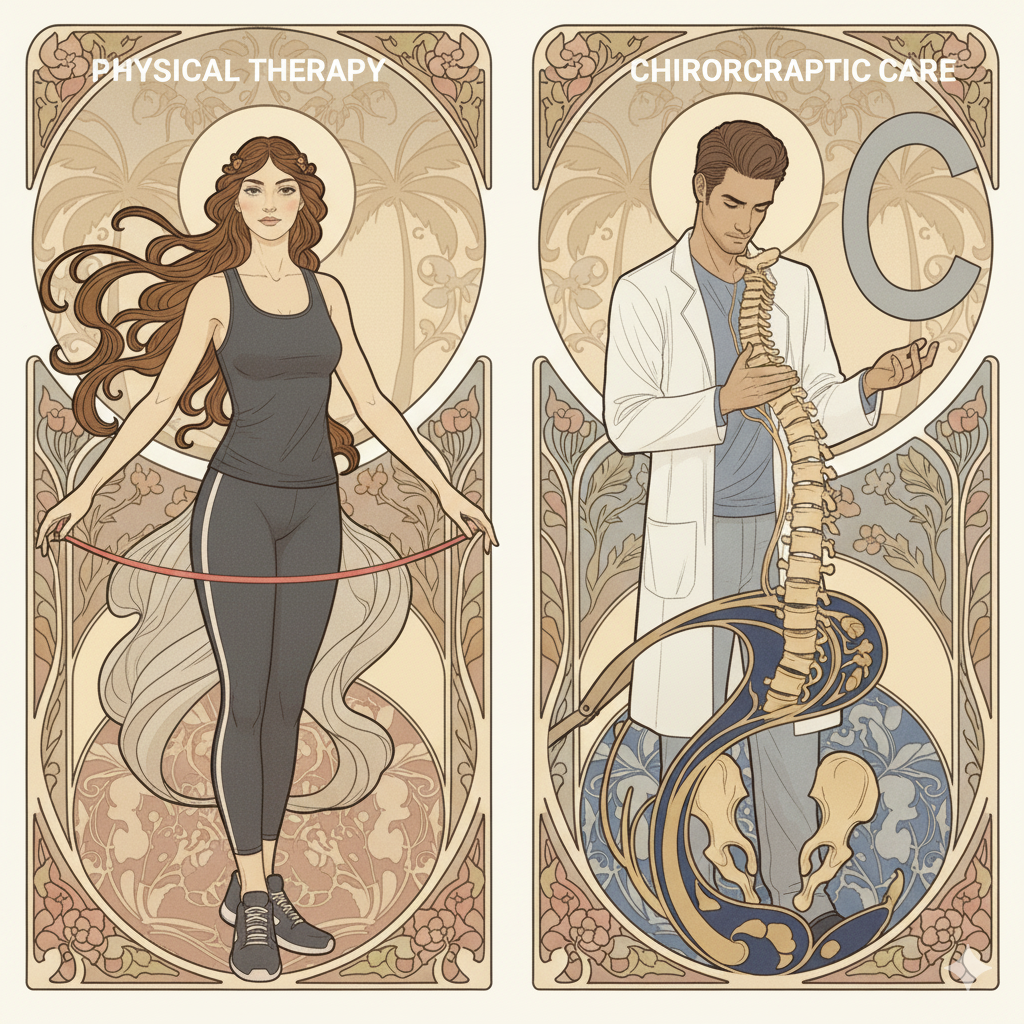
physical therapy
October 28, 2025
The Complete Guide to Choosing Between Physical Therapy and Chiropractic Care in California: What Every Patient Needs to Know in 2025
When chronic back pain strikes or a sports injury sidelines you, the path to recovery isn't always clear. Should you see a physical therapist or a chiropractor? With over 70,000 licensed chiropractors practicing across the United States and California ranking among the states with the highest saturation of musculoskeletal care providers, patients have more options than ever—but also more confusion about which treatment path will deliver the best results.
This comprehensive guide explores the key differences between physical therapy and chiropractic care, emerging trends in musculoskeletal treatment, and how to make an informed decision about your healthcare in California. Whether you're dealing with acute injury, chronic pain, or seeking preventative care, understanding these two complementary disciplines will empower you to find the right provider for your unique needs.
Understanding the Fundamental Differences: Physical Therapy vs. Chiropractic Care
What Physical Therapists Do: Movement-Based Rehabilitation
Physical therapists (PTs) are healthcare professionals who specialize in restoring and improving physical function through movement-based interventions. After earning a Doctor of Physical Therapy (DPT) degree, which requires 6-8 years of education including clinical internships, PTs focus on:
Therapeutic exercise programs designed to rebuild strength, flexibility, and endurance
Manual therapy techniques including soft tissue mobilization and joint mobilizations
Neuromuscular retraining to improve movement patterns and prevent re-injury
Modalities such as heat, cold, electrical stimulation, and ultrasound therapy
Patient education on ergonomics, posture, and injury prevention strategies
Physical therapy takes a whole-body approach, addressing multiple bodily systems including the musculoskeletal, nervous, cardiovascular, and vestibular systems. Treatment typically involves 40-60 minute sessions, 2-3 times per week for several weeks or months, depending on the condition's severity.
The PT philosophy centers on teaching patients how to help themselves through exercise and movement education, creating independence rather than ongoing dependence on passive treatments. Research consistently shows physical therapy's effectiveness for post-surgical rehabilitation, sports injury recovery, chronic conditions like arthritis, and functional mobility restoration.
What Chiropractors Do: Spinal Alignment and Nervous System Function
Chiropractors hold a Doctor of Chiropractic (DC) degree, also requiring approximately eight years of rigorous education covering anatomy, physiology, neurology, and extensive hands-on training. Their practice centers on:
Spinal adjustments (manipulations) to correct misalignments called subluxations
Joint mobilization to improve range of motion and reduce restrictions
Soft tissue therapy to address muscle tension and trigger points
Postural correction and ergonomic counseling
Holistic wellness approaches integrating nutrition, lifestyle, and stress management
Chiropractic philosophy holds that proper spinal alignment affects overall health by optimizing nervous system function. The spinal column protects the spinal cord, which serves as the body's central communication channel between the brain and every organ, muscle, and tissue. When vertebrae are misaligned, nerve interference can occur, potentially affecting not just local pain but systemic health.
Chiropractic sessions typically last 15-20 minutes and may initially be frequent (2-3 times per week) before tapering to maintenance care. Many patients report immediate pain relief following adjustments, though lasting results often require ongoing treatment.
The 2025 Landscape: Key Trends Reshaping Musculoskeletal Care in California
1. The Rise of Integrated, Collaborative Care Models
One of the most significant shifts in musculoskeletal healthcare is the breakdown of traditional professional silos. For decades, chiropractors and physical therapists were taught to view each other as competitors, with each profession downplaying the other's value. This outdated mindset is rapidly dissolving.
Modern evidence increasingly demonstrates that patients who receive both chiropractic care and physical therapy achieve superior outcomes compared to either treatment alone. The combination addresses both immediate structural restrictions through chiropractic adjustments and long-term movement patterns through physical therapy exercises, creating sustainable improvements in pain and function.
Progressive clinics across California now offer co-managed care, where chiropractors and physical therapists collaborate under one roof, developing comprehensive treatment plans that leverage the strengths of both disciplines. This multidisciplinary approach ensures patients receive holistic treatment addressing all aspects of their musculoskeletal health.
2. Technology Integration and AI-Powered Diagnostics
Digital transformation is revolutionizing how musculoskeletal care is delivered. In 2025, cutting-edge California practices are incorporating:
AI-powered diagnostic tools that analyze patient data to identify musculoskeletal issues with remarkable accuracy
Wearable devices like activity trackers and posture monitors that provide real-time feedback on movement patterns
Patient portals and mobile apps offering convenient appointment scheduling, treatment history access, and direct provider communication
Automated documentation systems that streamline administrative tasks and improve practice efficiency
Telemedicine capabilities for initial consultations and follow-up care
Technology isn't replacing the human touch in musculoskeletal care—it's enhancing it. These tools enable providers to track progress more precisely, personalize treatment plans based on data-driven insights, and maintain consistent communication with patients between appointments.
3. Evidence-Based Practice and Research Validation
Both chiropractic care and physical therapy are increasingly grounded in scientific research and evidence-based guidelines. Recent studies have validated the effectiveness of specific interventions:
Research published in 2024 confirmed spinal manipulative therapy's efficacy for certain types of back pain without increasing stroke risk
Clinical guidelines from the American College of Physicians (2017) and CDC (2016) now recommend nonpharmacologic treatments like chiropractic care and physical therapy as first-line therapy for low back pain
Studies show approximately one-third of U.S. adults with low back pain reported using chiropractic care or occupational/physical therapy between 2016-2018, with usage increasing after the introduction of these clinical guidelines
This research foundation is critical for insurance reimbursement, mainstream healthcare integration, and building patient trust. California providers who stay current with the latest evidence-based practices and incorporate proven techniques deliver safer, more effective interventions.
4. Personalized, Patient-Centered Treatment Plans
The era of one-size-fits-all treatment is over. In 2025, both chiropractors and physical therapists are developing highly customized care plans based on:
Individual patient data including medical history, lifestyle factors, and even genetic predispositions
Specific functional goals aligned with each patient's work, sport, or daily living requirements
Patient preferences for treatment modalities and time commitment
Holistic wellness factors considering nutrition, mental health, stress levels, and environmental influences
This personalized approach fosters stronger therapeutic relationships, improves patient engagement and compliance, and ultimately delivers better outcomes. Providers who take time to listen, understand patient concerns, and involve them in decision-making create trusting partnerships that are essential for successful recovery.
5. The Shift Toward Preventative Care and Wellness
Both disciplines are moving beyond reactive pain management toward proactive health optimization. Progressive California practices now emphasize:
Injury prevention strategies through movement screening and corrective exercise
Ergonomic assessments for workplace and home environments
Lifestyle coaching on nutrition, sleep, stress management, and activity levels
Regular maintenance care to address minor issues before they become major problems
Education on body mechanics and proper movement patterns for daily activities
This preventative philosophy aligns with broader healthcare trends emphasizing wellness and reducing long-term healthcare costs. Patients increasingly seek providers who help them stay healthy, not just get well.
When to Choose Physical Therapy: Ideal Conditions and Scenarios
Physical therapy excels in situations requiring functional rehabilitation, strength building, and movement retraining. Consider a physical therapist if you're experiencing:
Post-Surgical Recovery
After orthopedic surgeries like ACL reconstruction, joint replacement, or spinal fusion, physical therapy is essential for regaining strength, range of motion, and functional independence. PTs design progressive exercise programs that safely restore capabilities while protecting healing tissues.
Sports Injuries
Athletes recovering from muscle strains, ligament sprains, tendonitis, or overuse injuries benefit from PT's sport-specific rehabilitation protocols. Physical therapists understand biomechanics and can address movement dysfunctions that contributed to the initial injury while building the strength and conditioning needed for safe return to sport.
Chronic Conditions Affecting Movement
For ongoing issues like arthritis, fibromyalgia, Parkinson's disease, or multiple sclerosis, physical therapy helps maintain mobility, reduce pain, and preserve independence. PTs adapt treatment as conditions progress, providing strategies for managing symptoms and maintaining quality of life.
Weakness or Deconditioning
Whether from prolonged illness, hospitalization, sedentary lifestyle, or aging, significant weakness requires systematic strength rebuilding. Physical therapists create progressive resistance programs that safely restore muscle function and endurance.
Balance and Fall Prevention
Vestibular rehabilitation specialists within physical therapy treat dizziness, vertigo, and balance disorders. These specialized programs are crucial for preventing falls, especially in older adults.
Comprehensive, Goal-Oriented Rehabilitation
If your primary goal is learning how to move better, build strength, and develop an independent exercise program you can continue long-term, physical therapy's educational, empowerment-focused approach is ideal.
When to Choose Chiropractic Care: Ideal Conditions and Scenarios
Chiropractic care is particularly effective for conditions related to spinal alignment, joint dysfunction, and acute pain relief. Consider a chiropractor if you're experiencing:
Acute Back or Neck Pain
For sudden-onset spinal pain, stiffness, or reduced range of motion, chiropractic adjustments can provide rapid relief by restoring proper joint mechanics and reducing nerve irritation. Many patients report immediate improvement following spinal manipulation.
Headaches and Migraines
Tension headaches and certain types of migraines often originate from cervical spine dysfunction. Chiropractic adjustments addressing neck alignment and muscle tension can significantly reduce headache frequency and intensity when traditional remedies haven't helped.
Sciatica and Nerve-Related Pain
When herniated discs, spinal stenosis, or vertebral misalignment compress spinal nerves, causing radiating pain, numbness, or tingling, chiropractic manipulation can relieve pressure and restore proper nerve function.
Joint Pain Beyond the Spine
Chiropractors treat far more than backs. Shoulder pain, knee dysfunction, hip issues, and extremity joint problems often respond well to chiropractic manipulation and mobilization techniques.
Preference for Drug-Free, Non-Invasive Treatment
For patients seeking to avoid surgery and minimize medication use, chiropractic's natural, hands-on approach aligns with holistic health values. This philosophy emphasizes supporting the body's inherent healing capacity.
Maintenance and Preventative Care
Many patients continue regular chiropractic visits even after pain resolves, viewing adjustments as preventative maintenance that keeps the musculoskeletal system functioning optimally and prevents future problems.
The Power of Combined Care: Why Integration Matters
Increasingly, research and clinical experience demonstrate that the choice between physical therapy and chiropractic care shouldn't be either/or—it should be both/and.
Complementary Strengths Create Superior Outcomes
A chiropractor may successfully restore full range of motion in a patient's lower back through spinal adjustments, but without strengthening the core musculature through targeted physical therapy exercises, that same restriction is likely to return. Conversely, a physical therapist working to strengthen muscles around an unstable joint will achieve better results if a chiropractor first corrects the underlying spinal or joint misalignment.
This synergy addresses multiple layers of dysfunction:
Chiropractic removes structural restrictions and optimizes nervous system function
Physical therapy builds the strength, stability, and movement patterns needed to maintain those corrections long-term
Real-World Integration Scenarios
Chronic Back Pain: A patient receives spinal adjustments from a chiropractor to address vertebral misalignment and nerve compression, then works with a physical therapist on core stabilization exercises to prevent recurrence.
Auto Accident Recovery: Following a car crash, a chiropractor addresses whiplash-related cervical spine dysfunction, while a physical therapist focuses on restoring shoulder mobility, neck strength, and coordination lost due to the trauma.
Athletic Performance: A competitive athlete maintains optimal spinal alignment through regular chiropractic visits while working with a physical therapist on sport-specific strength training, biomechanical optimization, and injury prevention strategies.
Finding Integrated Care in California
Many progressive clinics across California now offer both chiropractic and physical therapy services under one roof, with providers collaborating on treatment planning. These integrated facilities provide:
Seamless care coordination with consistent communication between providers
Comprehensive treatment approaches addressing multiple aspects of musculoskeletal health
Convenience of accessing both services in a single location
Cost efficiency through bundled services and reduced travel time
When searching for care, ask potential providers whether they work collaboratively with complementary disciplines and whether referrals between specialists are facilitated within the practice.
Making Your Decision: Practical Considerations for California Patients
Beyond clinical indications, several practical factors should influence your choice of musculoskeletal care provider:
Insurance Coverage and Cost
Both chiropractic care and physical therapy are typically covered by health insurance, but coverage levels, copays, deductibles, and visit limits vary significantly by plan. Before beginning treatment:
Verify coverage for both chiropractic and physical therapy with your specific plan
Understand cost differences between in-network and out-of-network providers
Ask about visit limits as some plans cap annual visits for each discipline
Consider cash-pay options which some patients find more affordable and convenient than navigating insurance complexities
California's growing acceptance of chiropractic care by insurance companies is reducing financial barriers, making these services more accessible across demographics.
Time Commitment and Treatment Duration
The time investment differs between disciplines:
Physical Therapy typically requires:
40-60 minute sessions
2-3 visits per week
6-12 weeks of active treatment (condition-dependent)
Home exercise programs requiring daily commitment
Chiropractic Care typically involves:
15-20 minute sessions
Initially 2-3 visits per week, tapering to monthly maintenance
Ongoing relationship potentially lasting months or years
Minimal homework between appointments
Consider your schedule, work flexibility, and willingness to commit time to active rehabilitation versus passive treatment when choosing between approaches.
Provider Qualifications and Specializations
Not all providers are created equal. When evaluating potential chiropractors or physical therapists:
Verify licensing and credentials through California's licensing boards
Look for specialized training relevant to your condition (sports injury, pediatric care, geriatric rehabilitation, etc.)
Check years of experience with your specific issue
Read patient reviews focusing on communication style, treatment effectiveness, and office environment
Ask about continuing education and whether the provider stays current with evidence-based practices
Location and Convenience
Given the frequent visits often required for musculoskeletal care, convenience matters:
Proximity to home or work reduces barriers to consistent attendance
Parking availability and office accessibility
Appointment availability including evening or weekend options for working patients
Telehealth options for consultations, education sessions, or follow-ups
Addressing Healthcare Disparities: Ensuring Equitable Access to Care
Research reveals concerning disparities in chiropractic care and physical therapy utilization across demographic groups. Studies examining patterns from 2002-2018 found:
Hispanic adults use chiropractic care or occupational/physical therapy at significantly lower rates compared to non-Hispanic adults
Black adults show similar physical therapy usage to White adults but substantially lower chiropractic care utilization
These disparities have persisted despite the introduction of clinical guidelines recommending these treatments and have not improved over time
Multiple factors contribute to these gaps:
Financial Barriers
Even with insurance coverage, copays, deductibles, and transportation costs create obstacles for lower-income patients. Practices offering sliding-scale fees, payment plans, or pro bono services help increase access.
Cultural and Linguistic Factors
Language barriers, cultural beliefs about healthcare, and lack of diversity among providers can deter patients from seeking care. Culturally competent practices with multilingual staff and materials improve utilization.
Geographic Accessibility
Rural areas and underserved urban neighborhoods often lack sufficient musculoskeletal care providers. Telehealth expansion and mobile clinic initiatives are helping address geographic gaps.
Health Literacy and Education
Many patients simply don't know these treatment options exist or understand how they differ from traditional medical care. Community education programs and physician referrals can increase awareness.
California, with its diverse population and progressive healthcare policies, is at the forefront of addressing these disparities through expanded insurance coverage, workforce diversity initiatives, and community health programs. However, significant work remains to ensure equitable access for all patients regardless of race, ethnicity, or socioeconomic status.
How to Find the Right Provider in California: A Step-by-Step Guide
Finding high-quality musculoskeletal care requires research and due diligence. Follow these steps:
1. Get a Proper Diagnosis
Before choosing between chiropractic care and physical therapy, understand what's actually causing your symptoms. Start with your primary care physician for evaluation and, if appropriate, imaging studies or specialist referral. A clear diagnosis guides treatment selection.
2. Ask for Referrals
Your doctor, friends, family members, and coworkers who've had similar issues can provide valuable recommendations. Personal referrals often reveal information about provider communication style, treatment philosophy, and office environment that you won't find elsewhere.
3. Use Online Directories and Reviews
Platforms specifically designed for finding healthcare providers allow you to:
Filter by location, specialty, insurance acceptance, and patient ratings
Read detailed reviews from actual patients
Compare multiple providers side-by-side
View provider credentials, education, and years of experience
Quality healthcare directories verify provider licensing and credentials, ensuring you're viewing accurate, up-to-date information.
4. Schedule Consultations
Many chiropractors and physical therapists offer free or low-cost initial consultations. Use these meetings to:
Explain your condition and goals
Ask about their experience with similar cases
Understand their treatment philosophy and typical protocols
Assess whether you feel comfortable and heard
Clarify costs, insurance coverage, and expected treatment duration
Pay attention to whether the provider asks thoughtful questions, explains things clearly, and treats you as a partner in your care rather than simply telling you what to do.
5. Evaluate Credentials and Continuing Education
Ask about:
Board certifications or specialty credentials
Continuing education courses completed recently
Familiarity with current evidence-based guidelines for your condition
Participation in professional organizations
Providers committed to ongoing learning deliver higher-quality, more current care.
6. Consider the Overall Experience
Beyond clinical qualifications, evaluate:
Office cleanliness and organization
Staff friendliness and professionalism
Appointment scheduling flexibility
Communication responsiveness
Billing transparency and assistance with insurance
These factors significantly impact treatment adherence and satisfaction.
7. Trust Your Instincts
If something feels off—if you're uncomfortable, feel pressured to commit to lengthy treatment packages, or sense the provider isn't really listening—trust those instincts and keep looking. The therapeutic relationship is crucial for successful outcomes.
Red Flags to Watch For When Choosing a Provider
While most chiropractors and physical therapists are ethical, qualified professionals, be wary of:
Excessive Treatment Plans
Requiring lengthy, expensive treatment packages upfront before even evaluating your response to initial care. Reputable providers reevaluate regularly and adjust treatment based on your progress.
Guarantees and Miraculous Claims
No provider can guarantee specific outcomes or promise to cure conditions that medical science can't cure. Be skeptical of providers making extraordinary claims or guaranteeing results.
Pressure to Buy Supplements or Products
While nutritional counseling and ergonomic product recommendations can be appropriate, high-pressure sales tactics for expensive supplements, devices, or products are red flags.
Discouragement from Getting Second Opinions
Quality providers welcome second opinions and don't feel threatened when patients seek additional perspectives.
Lack of Collaboration
Providers who dismiss other healthcare disciplines, discourage you from seeing your primary care physician, or claim they can treat everything without referrals often have problematic approaches.
Fear-Based Marketing
Using scare tactics about what will happen if you don't receive treatment, showing alarming images, or catastrophizing your condition to pressure you into care.
The Role of Online Healthcare Directories in Finding Quality Care
As California's musculoskeletal care landscape becomes increasingly crowded and competitive, patients face the challenge of identifying qualified, trustworthy providers among thousands of options. Online healthcare directories serve as essential tools for navigating this complexity.
What Quality Directories Provide
Verified Credentials: Reputable directories verify provider licensing, education, and board certifications, ensuring the information patients view is accurate and current.
Patient Reviews and Ratings: Authentic feedback from real patients provides insights into treatment effectiveness, communication style, wait times, and overall satisfaction that you can't get from provider websites.
Transparent Information: Details about insurance acceptance, office hours, languages spoken, accessibility features, and treatment philosophies help patients make informed choices.
Geographic Filtering: Location-based searches help patients find conveniently located providers, reducing travel time and increasing treatment adherence.
Specialty Matching: Advanced filtering allows patients to find providers with specific expertise relevant to their condition, whether that's sports injuries, pediatric care, geriatric rehabilitation, or chronic pain management.
Featured Listings and How They Help Patients
Many healthcare directories offer providers the option to enhance their listings through featured placements. When done ethically, this benefits both providers and patients:
For Providers: Featured listings increase visibility, allowing qualified practitioners to stand out in crowded markets and connect with patients needing their specific expertise. This can be particularly valuable for newer practices or those offering specialized services.
For Patients: Featured listings often include enhanced information—detailed provider bios, treatment philosophies, office photos, virtual tours, patient testimonials, and educational content about conditions treated. This richer information helps patients make more informed decisions.
Transparency Matters: Reputable directories clearly distinguish between standard and featured listings, ensuring patients understand which providers have paid for enhanced placement while still providing comprehensive information about all listed practitioners.
Using Directories Effectively
To get the most value from healthcare directories:
Don't rely solely on featured placements — evaluate multiple providers, both featured and non-featured
Read multiple reviews to identify patterns rather than focusing on single extreme experiences
Verify information independently by checking providers' own websites and calling offices directly
Use filters strategically to narrow options based on your specific needs and preferences
Consider proximity seriously — the best provider is one you'll actually consistently visit
The Future of Healthcare Directory Platforms
Advanced directory platforms are increasingly incorporating:
Telehealth capabilities allowing initial consultations through the directory platform
Appointment scheduling integration enabling patients to book directly
Price transparency tools showing estimated costs based on insurance plans
Outcome tracking where patients can report their results, building more robust quality metrics
Provider collaboration features highlighting practices offering integrated, multidisciplinary care
These innovations make finding and accessing quality musculoskeletal care more convenient and transparent, ultimately improving patient outcomes.
Conclusion: Empowering Your Healthcare Journey
Choosing between physical therapy and chiropractic care—or deciding to pursue both—is a personal decision that depends on your specific condition, goals, preferences, and practical constraints. There's no universally "best" option; there's only the best option for you at this moment in your healthcare journey.
The good news is that California offers abundant access to highly qualified chiropractors and physical therapists, with an increasing number embracing collaborative, evidence-based, patient-centered approaches. The distinctions between these disciplines are blurring as progressive providers recognize the value of integration and comprehensive care.
As you navigate your options:
Start with a proper diagnosis from a qualified healthcare provider
Research your options using trusted directories, referrals, and reviews
Ask questions during consultations to understand treatment approaches and philosophies
Trust your instincts about which provider and setting feel right for you
Be open to combined care if your condition could benefit from multiple approaches
Commit to active participation in your treatment, whether through home exercises, lifestyle modifications, or treatment compliance
Remember that musculoskeletal health is not just about treating pain when it occurs—it's about optimizing movement, preventing injury, and maintaining the physical function that allows you to live the life you want. Whether that journey includes physical therapy, chiropractic care, or both, you deserve providers who listen, collaborate, and empower you to take an active role in your health.
Frequently Asked Questions
Can I see both a chiropractor and physical therapist at the same time?
Absolutely. Many patients benefit from combined care, particularly for complex or chronic conditions. Chiropractors can address structural alignment while physical therapists build strength and retrain movement patterns. Many progressive clinics now offer both services with coordinated treatment planning.
How many sessions will I need?
Treatment duration varies dramatically based on condition severity, patient goals, and individual response. Physical therapy typically involves 6-12 weeks of active treatment, while chiropractic care may begin intensively then taper to maintenance. Reputable providers reevaluate regularly and adjust treatment based on your progress rather than committing you to predetermined lengthy plans.
Is chiropractic care safe?
When performed by licensed, trained chiropractors, spinal manipulation is generally safe for appropriate candidates. Serious complications are rare, though minor side effects like temporary soreness can occur. Chiropractors screen for contraindications and modify techniques for patients with conditions like osteoporosis. Recent research has debunked concerns about stroke risk from cervical manipulation for most patients.
Will my insurance cover these treatments?
Most California health insurance plans cover both chiropractic care and physical therapy, though coverage levels, visit limits, and out-of-pocket costs vary significantly. Contact your insurance company directly to understand your specific benefits before beginning treatment.
How do I know if I need a doctor's referral?
California allows direct access to both chiropractors and physical therapists without physician referral for most conditions. However, some insurance plans still require referrals for coverage. Check your specific plan requirements. Even if not required, consulting your primary care physician for diagnosis and guidance is often beneficial.
What should I expect during my first appointment?
Initial appointments typically last longer than follow-up sessions and include a comprehensive evaluation. Expect detailed questions about your medical history, current symptoms, and functional limitations; physical examination testing range of motion, strength, and movement patterns; possibly diagnostic imaging review; discussion of treatment options and expected timeline; and initial treatment or education. Come prepared with questions and a list of current medications.
How quickly will I see results?
Response timeframes vary. Some patients experience significant relief after a single chiropractic adjustment, while others require several sessions. Physical therapy often shows gradual improvement over weeks as strength and function rebuild. Be wary of providers promising immediate, miraculous results. Most musculoskeletal conditions require consistent treatment over time for lasting improvement.
What's the difference between a physical therapist and an occupational therapist?
While both help restore function, physical therapists focus on improving strength, mobility, and movement for general physical function and activities. Occupational therapists specialize in helping people perform specific daily living activities, work tasks, and meaningful occupations despite physical or cognitive limitations. Both may treat similar conditions but with different goal orientations.
Are there conditions that shouldn't be treated with chiropractic care or physical therapy alone?
Yes. Serious conditions requiring immediate medical attention—fractures, tumors, infections, severe neurological deficits, or conditions needing surgery—should be evaluated by appropriate medical specialists first. Quality chiropractors and physical therapists screen for these "red flag" conditions and refer to physicians when appropriate. Never delay seeking emergency medical care to try conservative treatment first.
How do I maintain results after treatment ends?
Both disciplines emphasize long-term strategies: continuing home exercise programs learned in physical therapy, maintaining proper posture and ergonomics, staying physically active, managing stress, maintaining healthy body weight, and possibly scheduling periodic maintenance visits. Your provider should equip you with knowledge and tools to maintain your improvements independently rather than creating permanent dependence on ongoing treatment.
Finding quality musculoskeletal care in California starts with understanding your options. Whether you need physical therapy, chiropractic care, or integrated treatment, the right provider can help you move better, feel better, and live the active life you deserve.
Find a Provider Near You
Ready to start your journey to better health? Browse our directory of trusted physical therapists and chiropractors across California.
Browse Directory