Why I Built Align California — And Why It Took Getting Hurt and Closing A Dream First
I want to be upfront about something most founders skip over: I am not a physical therapist.
I don't have a clinical background. I didn't go to PT school. I'm not going to pretend I came into this because I had some lifelong dream of revolutionizing musculoskeletal care.
I came into this because I got hurt, couldn't figure out who to see, finally saw someone, still didn't get fully better — and couldn't stop thinking about why that experience was so unnecessarily hard.
That's the honest version. Here's the full one.
Growing up around healthcare without being in it
I grew up in a family where healthcare was always in the background. People around me worked in it, talked about it, built careers around it. So I understood early on that the system , at its best, is full of incredibly dedicated people doing genuinely important work.
But I also grew up as an athlete. And athletes have a complicated relationship with the healthcare system, because the healthcare system wasn't really designed with athletes in mind. It was designed around treating illness, not around keeping an active person moving the way they want to move.
When I was younger, that tension didn't matter much. Young bodies bounce back. You push through, you shake it off, you get on with it.
Then I got injured. And it didn't shake off.
The patient experience nobody talks about honestly
I'm not going to dramatize the injury ,it wasn't catastrophic. But it was the kind of thing that lingers. That shows up when you're doing the things you care about. That quietly changes what you're willing to try because you're not sure how your body will respond.
I did what most people do. I Googled it. I got overwhelmed. I asked around. Someone recommended a physical therapist, so I went.
And here's the thing ,my PT was good. Genuinely good. But looking back, I'm not sure they were the right fit for my situation specifically. I was an active person. I had a specific injury pattern. I had insurance that only covered certain providers. I had a lifestyle I wanted to get back to, not just a pain level I wanted to reduce. The gap between "good clinician" and "right clinician for me" turned out to be larger than I expected.
My injuries kept lingering. Not because anyone did anything wrong ,but because the match wasn't quite right, and I didn't have a good way to know that before I started.
That experience stuck with me in a way I didn't fully understand at the time.
Building Kenko and what thousands of conversations taught me
A few years later, I co-founded Kenko a digital physical therapy platform built to strengthen the relationship between physical therapists and their patients through technology. How it worked was the PT would build, customize, and send the home exercises program (HEP) to the patient through the app. After my injury I became obsessed with this idea, but it took a few years of working in big tech and for me to go back to school to fully commit to starting the idea. Through my Master's program from USC's Marshall School of Business, I found a cofounder, used my classes to work on Kenko, won pitch competitions and received an investment from a venture capital firm. Unfortunately, we were swimming against the current with a fear of a recession, and the realization that the current system made it extremely difficult for PTs to adopt new tech due to the need of seeing an extreme volume of patients to keep revenue coming in.
Kenko, however, put me in contact with a world I'd only seen from the patient side. Suddenly I was talking to physical therapists every day. And then, through them, I was hearing from their patients.
What I heard was consistent enough that it became impossible to ignore.
Patients kept describing the same feeling: I don't feel like they really get me. Not "my PT is bad." More like, I feel like a case. I feel like I'm being run through a protocol. I feel like they're treating the injury but not really seeing the person behind it. That's a different kind of dissatisfaction, and it's harder to fix than technical skill.
The PTs I talked to described their own version of the same problem from the other side. Finding patients who were genuinely a good match for their specialty, whether that was sports rehab, post-surgical recovery, a specific population, a specific injury type, was a constant challenge. The options were either expensive, broad-reach marketing campaigns or relying entirely on word of mouth. There was no clean middle ground. No way to say: here's who I am, here's what I'm best at, here's who I want to see walking through my door , and have the right patients actually find them.
That gap, the matching problem, was something I'd lived as a patient and was now watching play out at scale on both sides of the table.
Why the existing platforms weren't solving it
If you're a patient looking for a PT or chiropractor in California, you have options. You can go to Yelp. You can try Zocdoc. You can search your insurance directory and end up with a wall of names and addresses and nothing else.
The problem with those platforms isn't that they're bad. It's that they weren't built for this.
Yelp was built for restaurants. Zocdoc is flooded with every type of provider imaginable. Insurance directories are functional but tell you almost nothing about who a provider actually is or what they're best at. None of them are designed around the specific, nuanced decision someone makes when they're trying to find the right physical therapist or chiropractor , one that matches their injury, their activity level, their location, their insurance, and the way they want to be treated.
That's a specific problem. It deserves a specific solution.
That's why I built Align California.
The relationship that changes everything
I keep coming back to this analogy because I think it's the most accurate one I've found.
Think about the teachers, coaches, tutors, and mentors who actually changed your trajectory when you were growing up. Not the ones who were technically competent , the ones who got you. The ones who understood how you learned, what motivated you, where you were struggling, and what you were capable of. Those relationships don't just produce better outcomes. They change what you believe is possible for yourself.
A great physical therapist or chiropractor is exactly that kind of relationship. When the fit is right, you're not just managing an injury, you're learning how your body works, building habits that last, and getting back to the life you actually want to live. When the fit is wrong, you end up stuck in the middle: not bad enough to stop, not getting better enough to move forward. Just... managed.
I've seen what happens when people find the right provider. They stop just surviving around their injury and start actually living again. That's not a small thing. That's what's at stake when someone searches for a PT and ends up with whoever showed up first in the results.
Where Align California is right now and what I need from you
I want to be honest about where we are: this is early.
Align California is live. There are verified clinics in the directory, search and filtering by location and specialty, and a structure built specifically around the PT and chiropractic space in California. But we're growing, and the platform gets better every single time someone uses it and tells us what they needed that wasn't there.
If you're a patient , I'd genuinely love to know what made finding care hard for you. What information was missing? What would have helped you choose faster or with more confidence?
If you're a PT or chiropractor, I want to hear the same thing from your side. What does a good patient match actually look like for your practice? What would make a directory actually useful for you instead of just another place your name shows up?
This platform was built because both sides of this problem were real and underserved. The only way to keep building it right is to keep listening.
If you've read this far, you're probably the exact person I built this for. I'd genuinely love to hear from you — joe@aligndirectory.com.
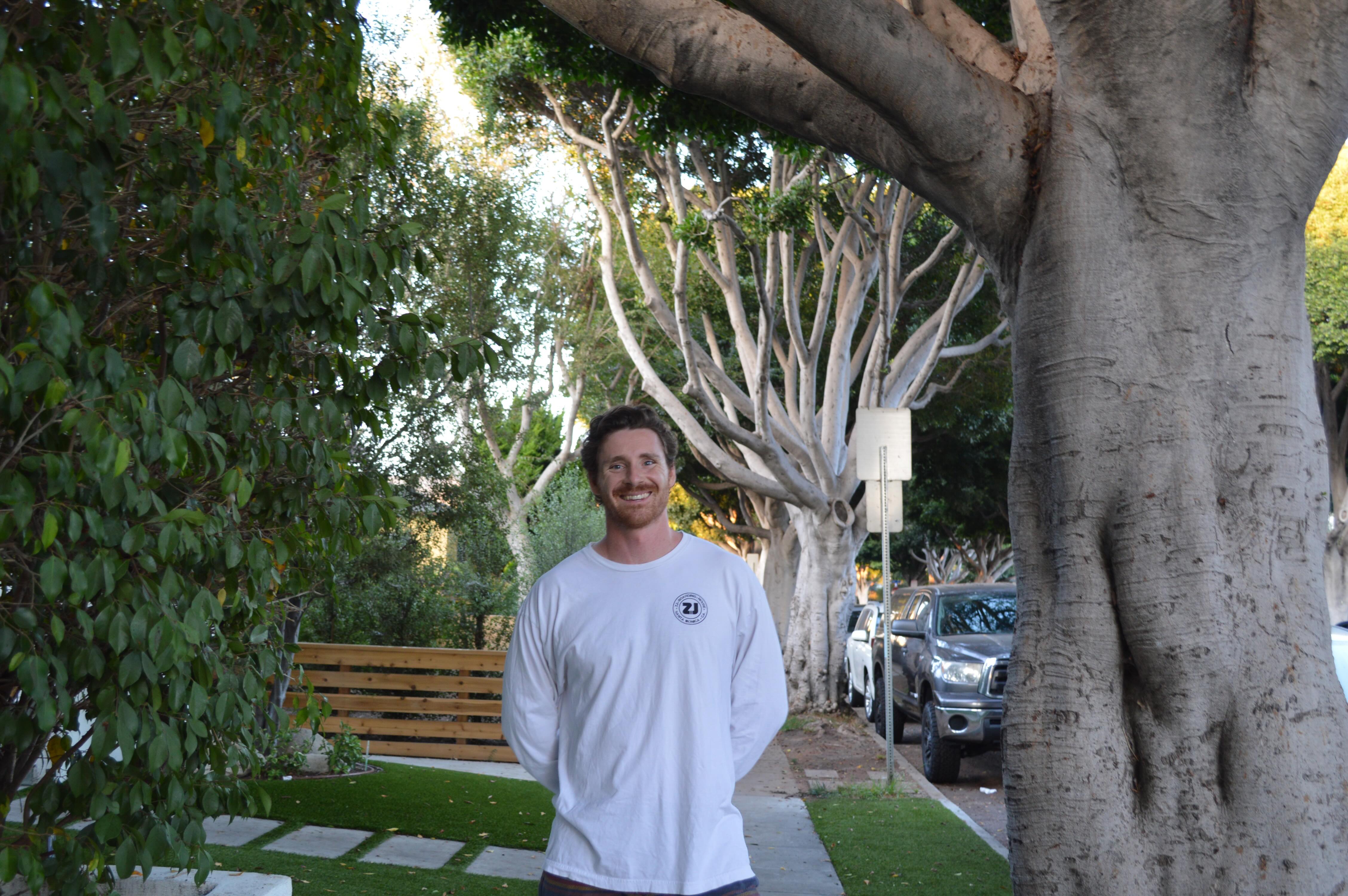
Joe Rapaport is the founder of Align California and co-founder of Kenko Physical Therapy. He lives in Los Angeles and is still working on his deadlift.
Find a Provider Near You
Ready to start your journey to better health? Browse our directory of trusted physical therapists and chiropractors across California.
Browse Directory